DeliveredParticipant evaluations
’Til Assets Do Us Part*
*Renamed family-law course
One family, all day.
The opinion-writing exercise in a one-day family-law primer for judges newer to that docket.
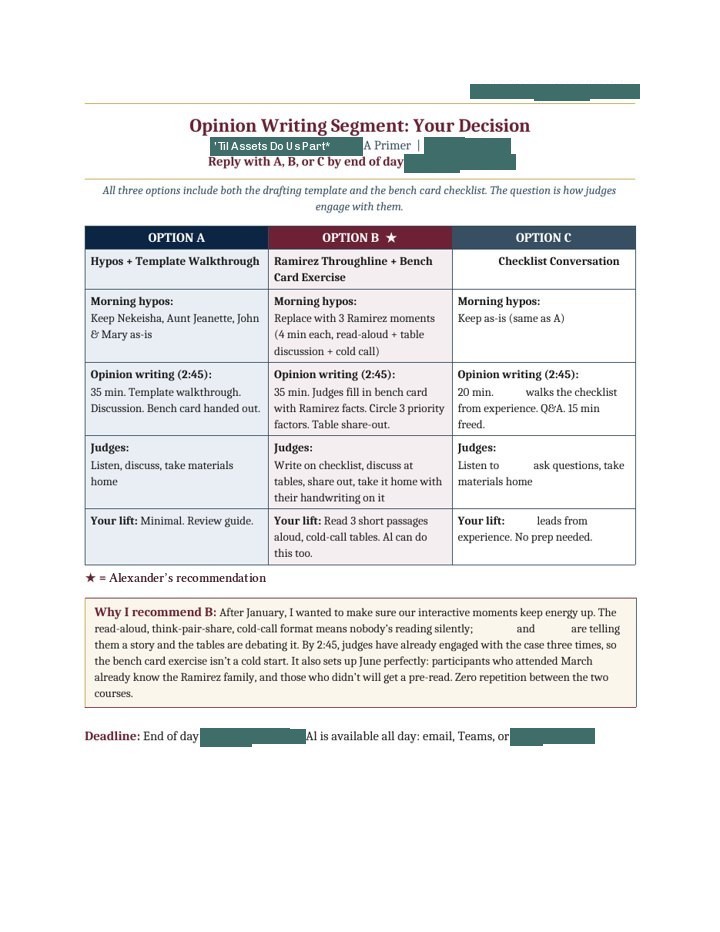
The email with three choices
A similar exercise ran that winter with the same coordinating judge, and I remember the silence: visceral, painful, with awkward transitions into the discussion of each hypothetical. I'd worked hard on those family sitcom scenarios, but none of the attorneys running the course felt comfortable reading them aloud, so they asked the room to read them alone and then discuss them at their tables. There were no discussion questions on the screen and no timer for the reading, just a nebulous block of time. Tell people to read by themselves and some will and some won't, and "discuss with your tables" needs more instruction than that. I knew that from my years teaching. The scenarios were funny, too. I heard a couple of quiet laughs, but people were nervous to laugh in a room reading silently. If I'd read each one aloud, or trained a faculty member to read them with vigor, it would have gone better.
Determined not to let that happen again, I pitched a few different ideas for this course's hypothetical sessions: nothing silent, nothing on laptops because they take too long to boot up, and nothing introduced cold at 2:45, when people are ready to leave, not to start over each time. Nine days before the binder locked, the final exercise was still undecided. I emailed faculty three choices and recommended one family whose case would run through the day. They chose that design. If I didn't hear back, the binder would print with the checklist, and the exercise would become a day-of handout.
The coordinating judge
The coordinating judge for this course had a reputation. She didn’t want interactivity, and people were wary of working with her. She’s brilliant, and she wanted to stand and talk.
She sent me her opinion-writing points as a sprawl of items in a comment in the margin of a Word document, and she wanted every judge to walk out with them. We had time in the day, so I asked what if we made it an activity. She said no. No activities, and not polling software.
So I offered her something else. It doesn’t have to be polling. What if it’s a conversation between you and the two attorneys, and you ask the room, and it’s conversational from the start so people are comfortable, and we put something quick and fun inside it, like a quiz. She perked up at that.
I learned something from her about how to carry myself. My posture used to be: sorry to bother you, just circling back, let me know when you can, no worries. That doesn’t work with everyone. She’s the kind of person who responds to here are your three options, I recommend B, and if I don’t hear back we’re going with B. I wouldn’t have had the nerve to send that a few years ago.
What I learned is that I had to hold myself with the same authority the judges have. They’re the experts on the law. I’m the expert on pedagogy, and that’s why I had the job. Once I started working that way, she and I got on well, and she trusted me with the planning.
By the end of our work together, that day had hypotheticals built on famous sitcom families, the Is It Property? round, and an opinion-writing checklist the room worked through together. On the day of the course she brought in candy, and she was excited about having a prize for whoever did well on the quiz.
What option B became
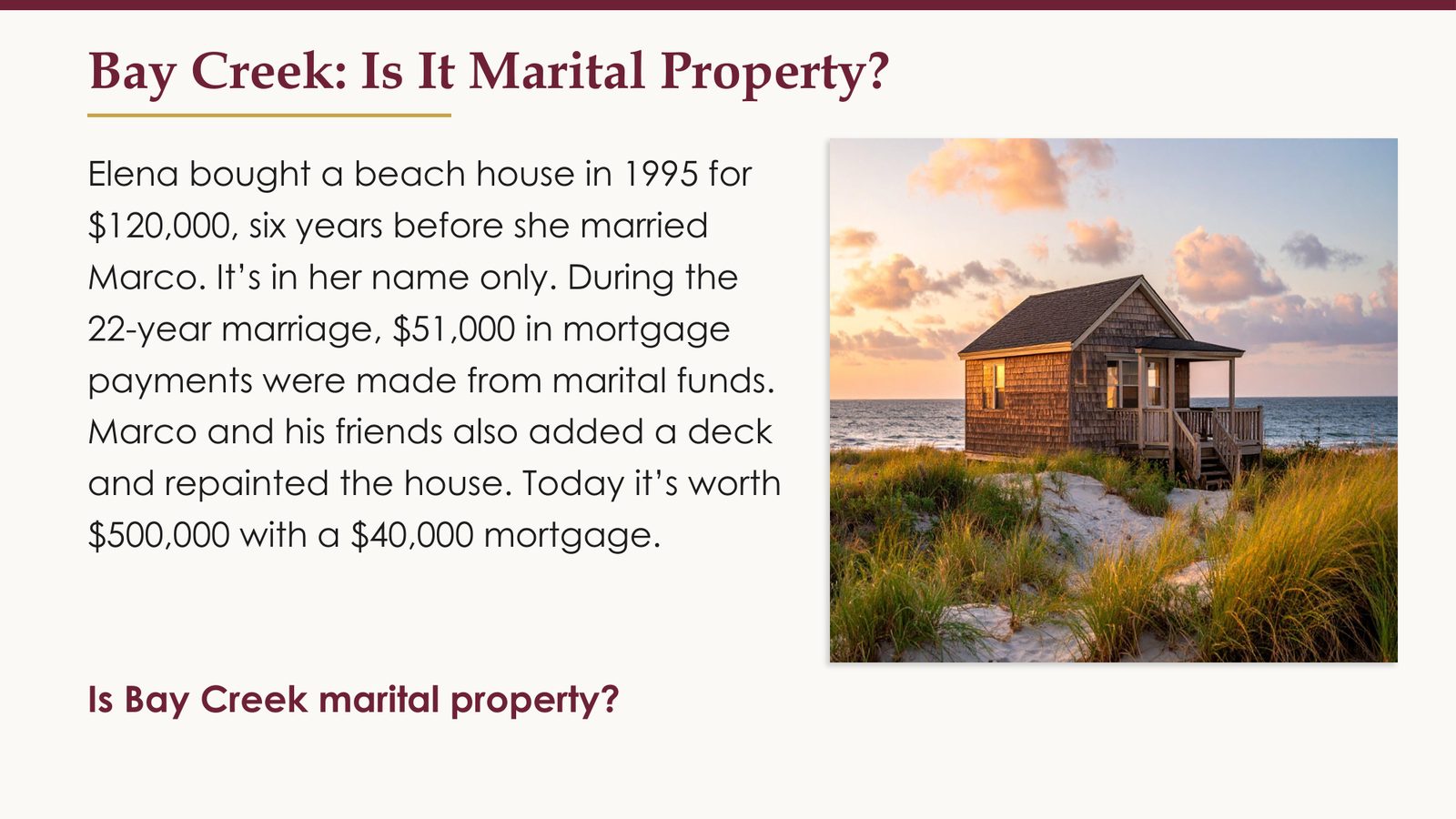
The email recommended B: one family whose case runs through the day. This is the deck for that last block, ten slides. Three questions about the Ramirez family’s property, the four steps, the factors, and a turn at the tables. The law and the citations on the slides are the faculty’s.
01Bay Creek, slide 1 of 10
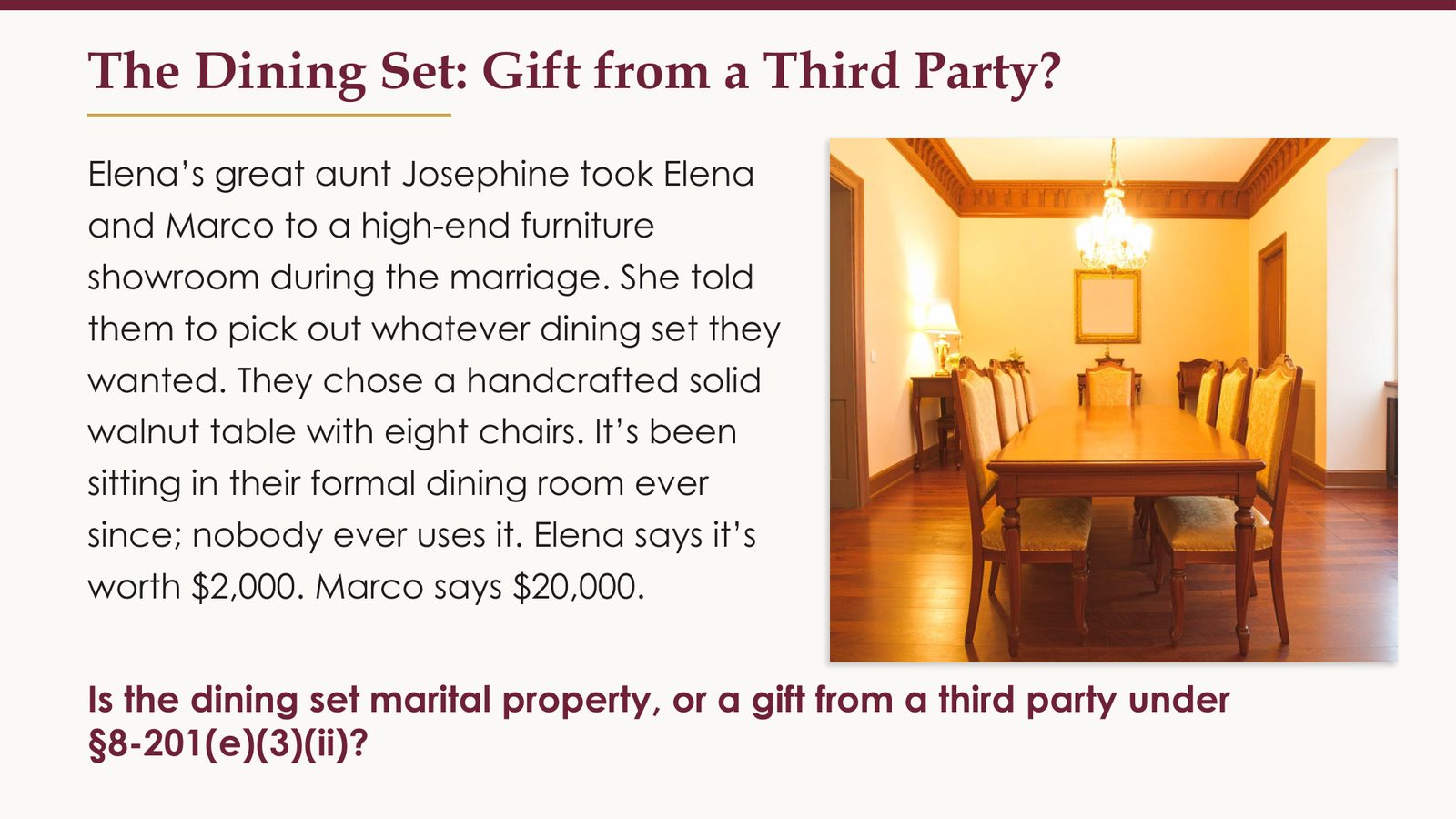
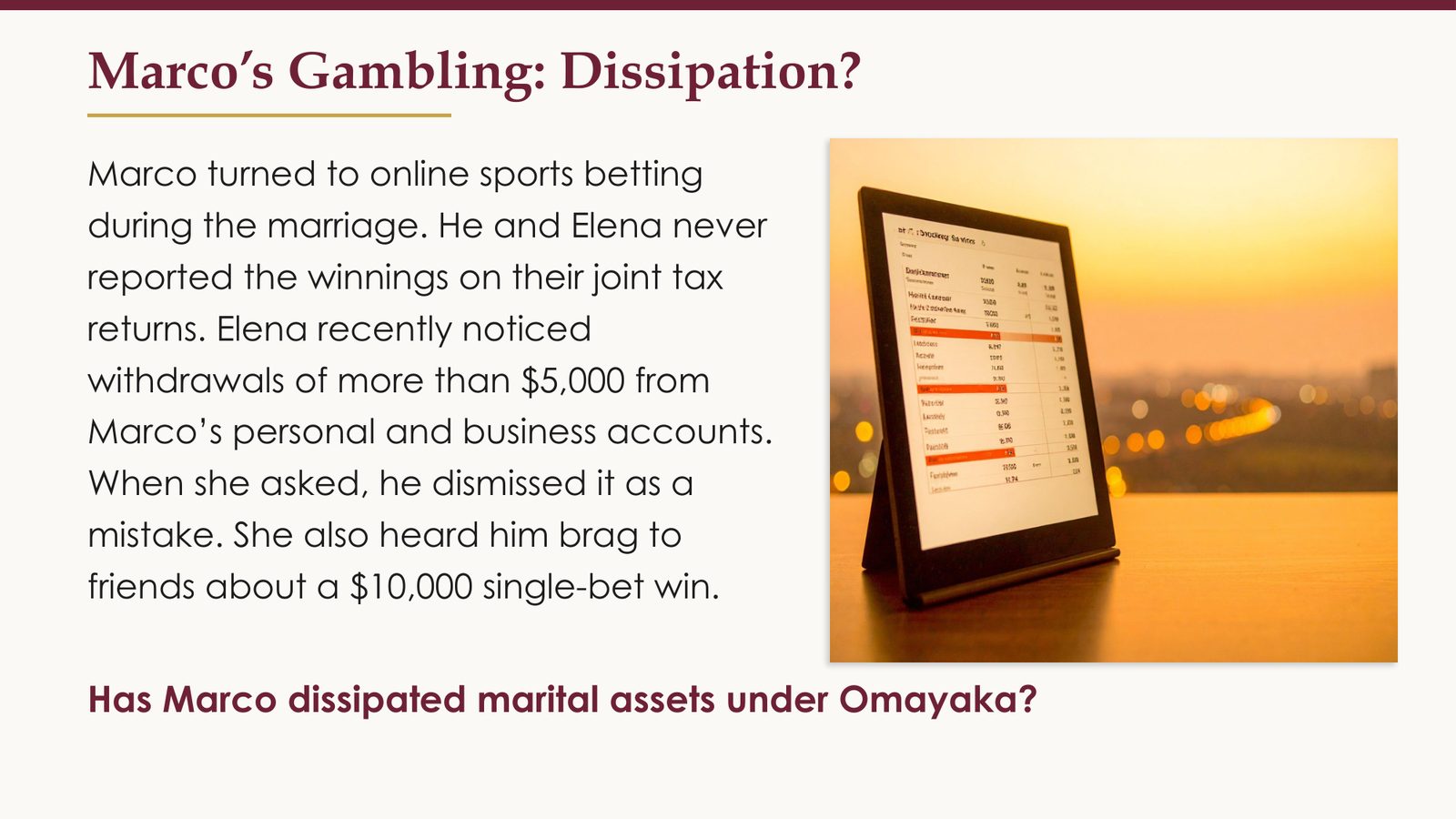

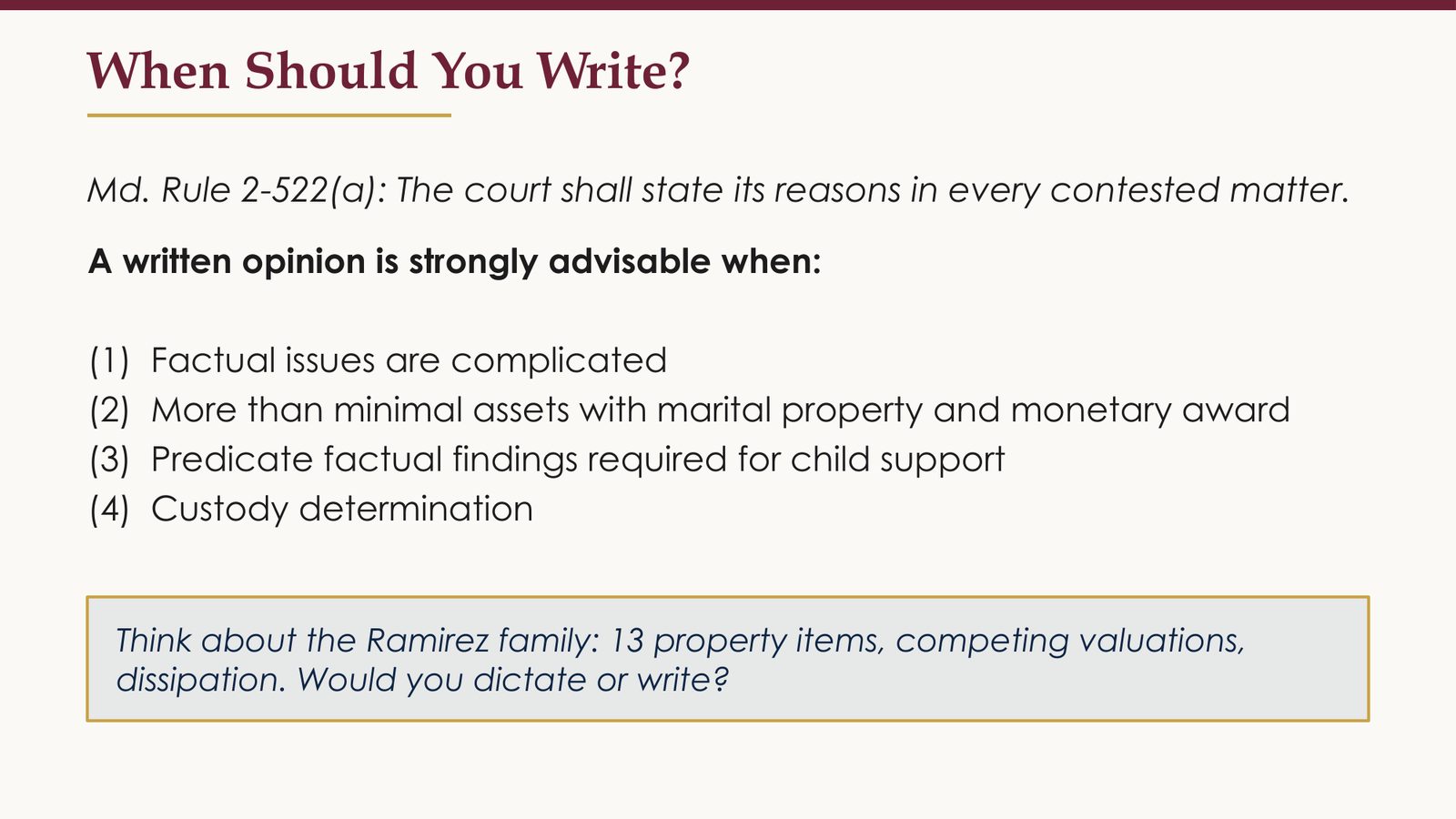
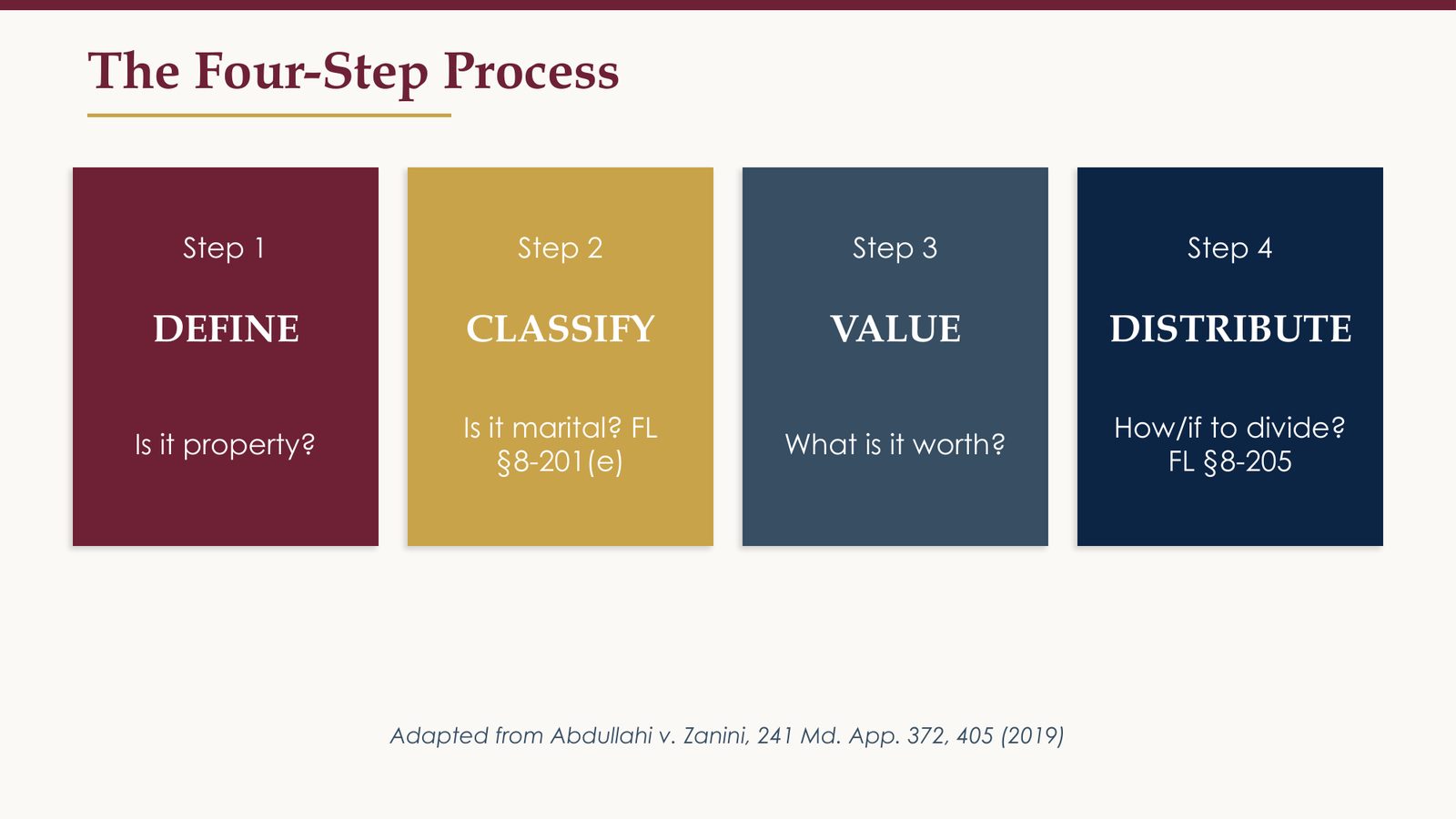
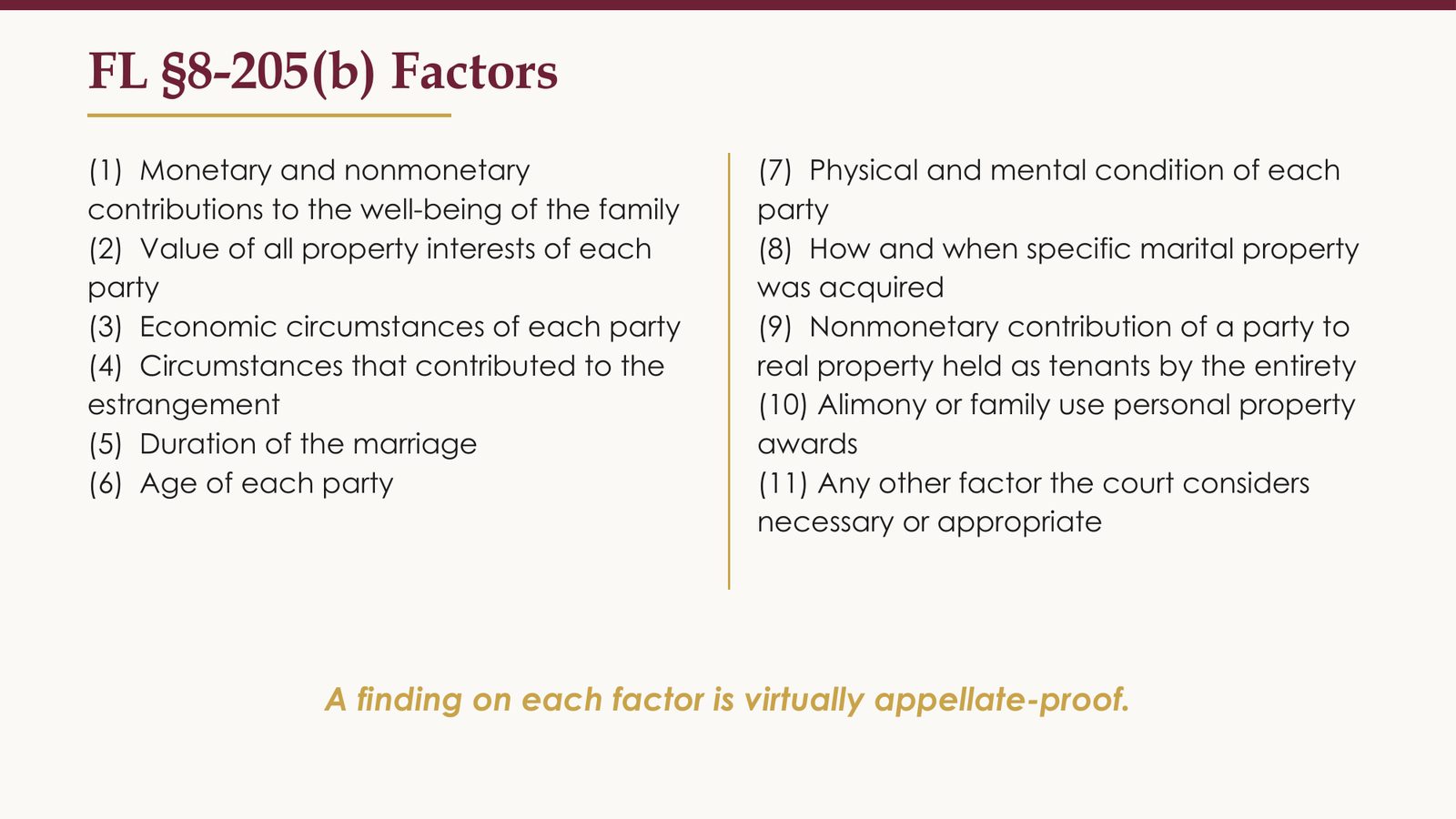
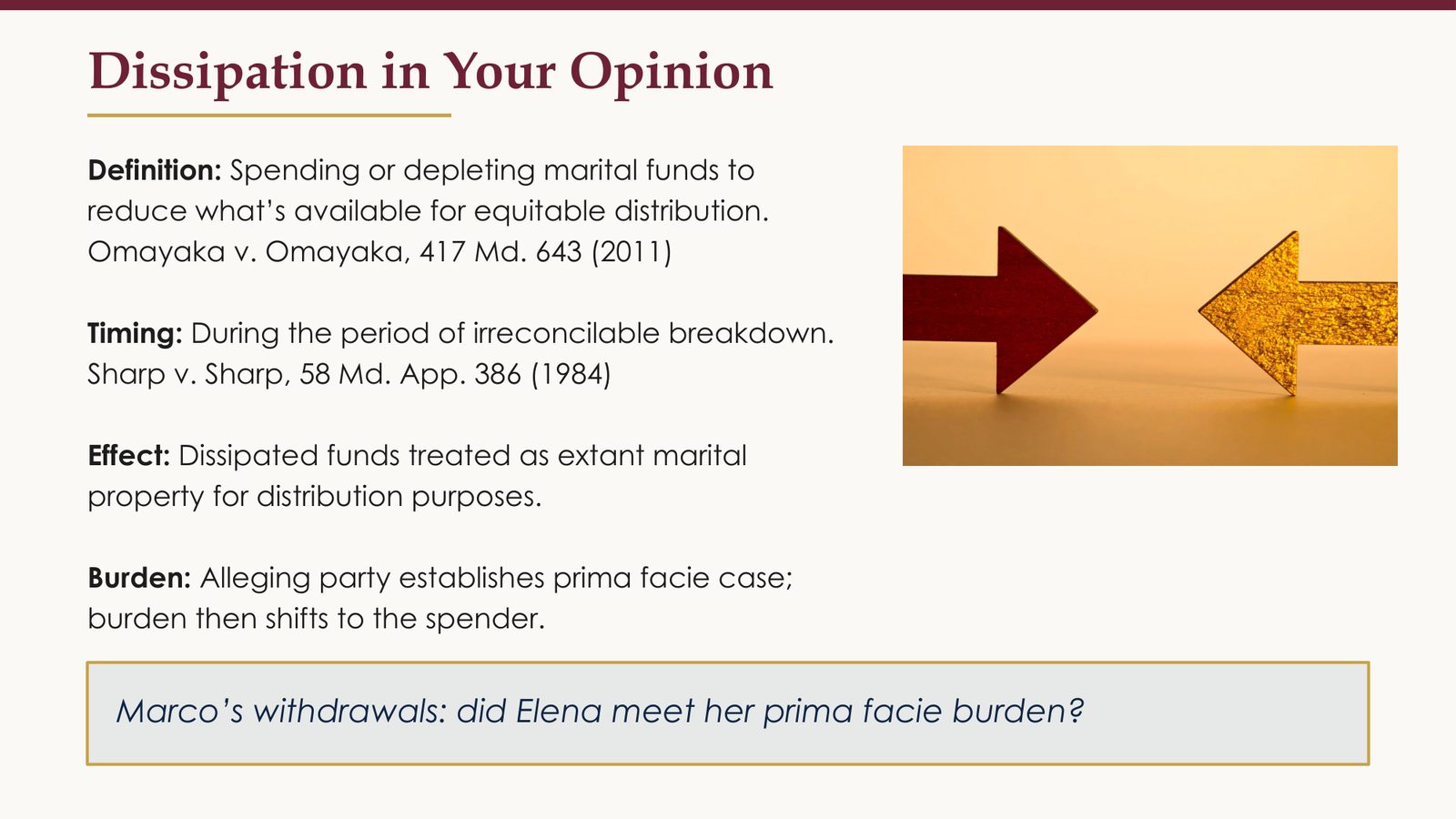
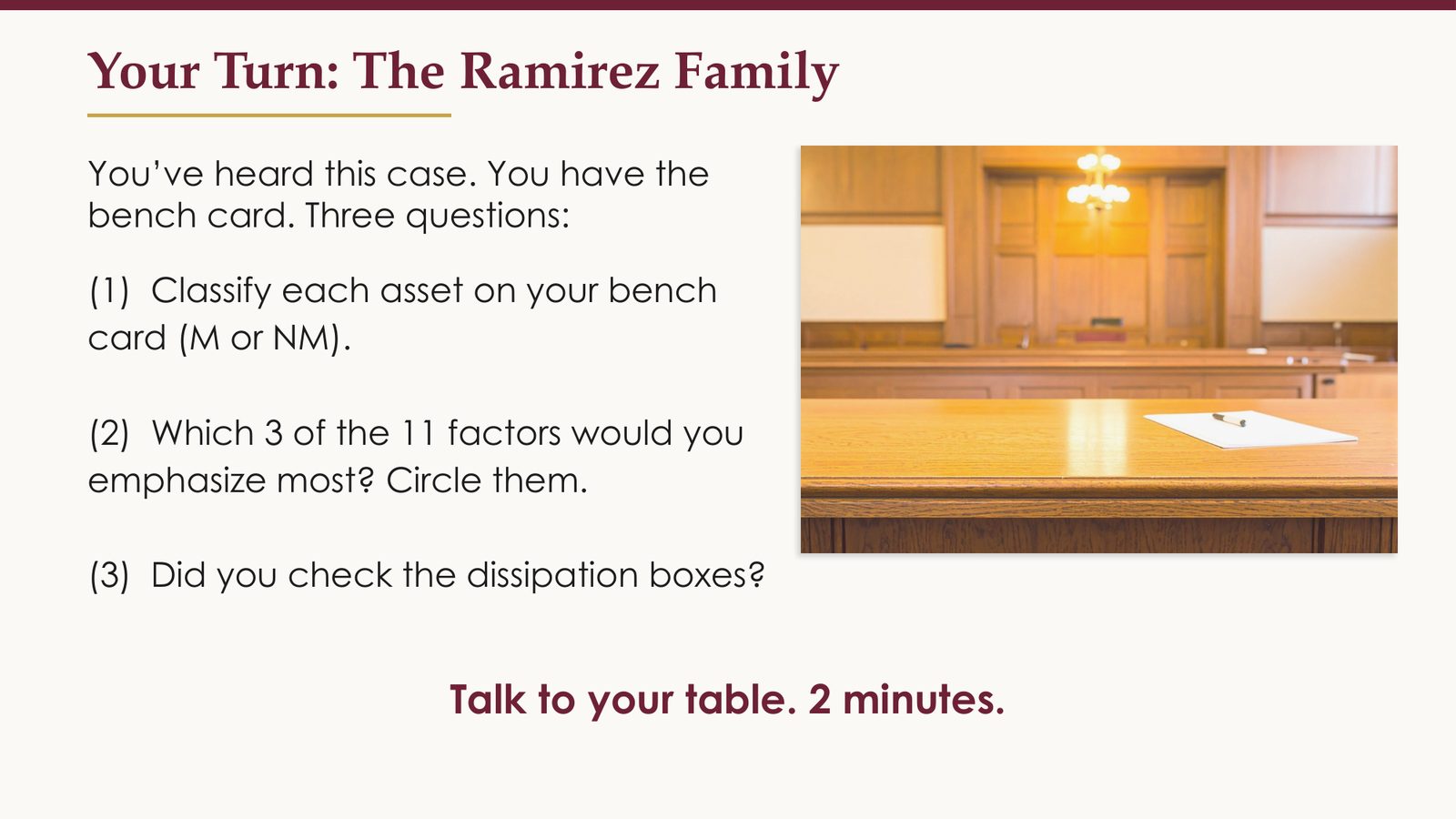
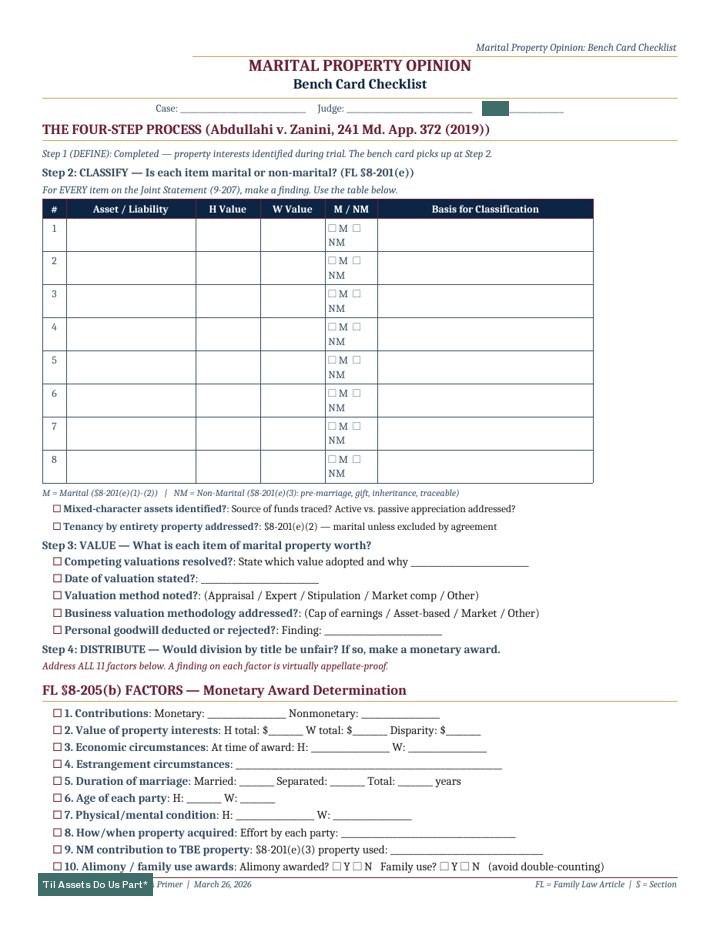
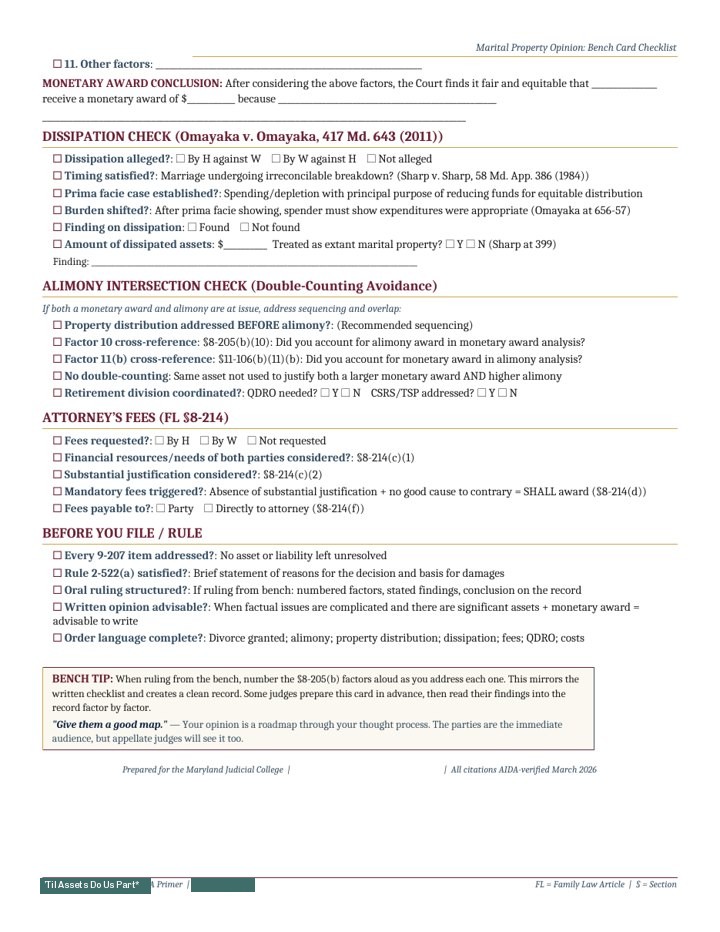
Open both pages as a PDF. The document is titled Bench Card Checklist; I call it the opinion-writing checklist.
What I built
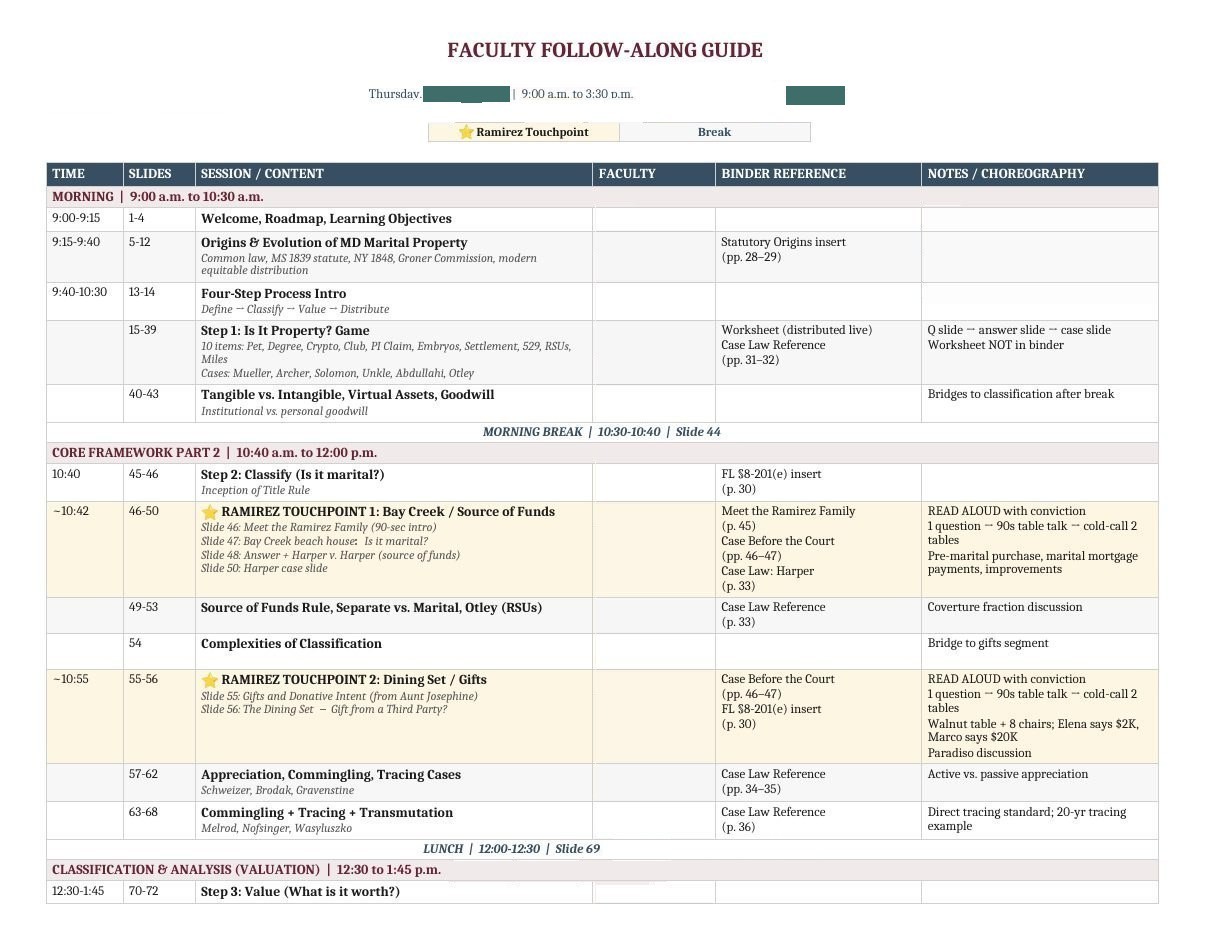
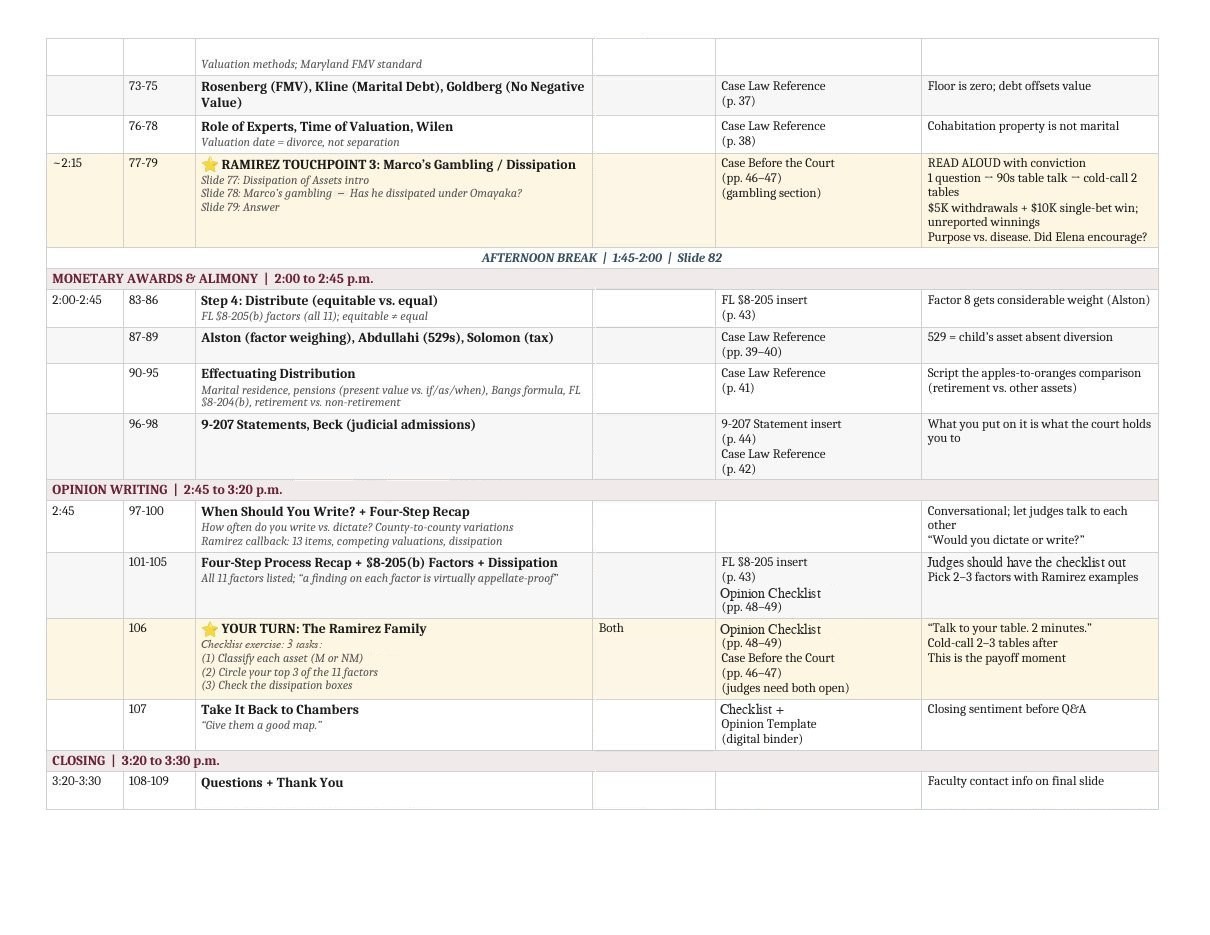
- Each of the three four-minute returns to the family's case follows the same script: read aloud, one question, ninety seconds of table talk, two tables cold-called.
- The faculty follow-along guide, the run of show for the day, with every return to the family marked.
Participant evaluations
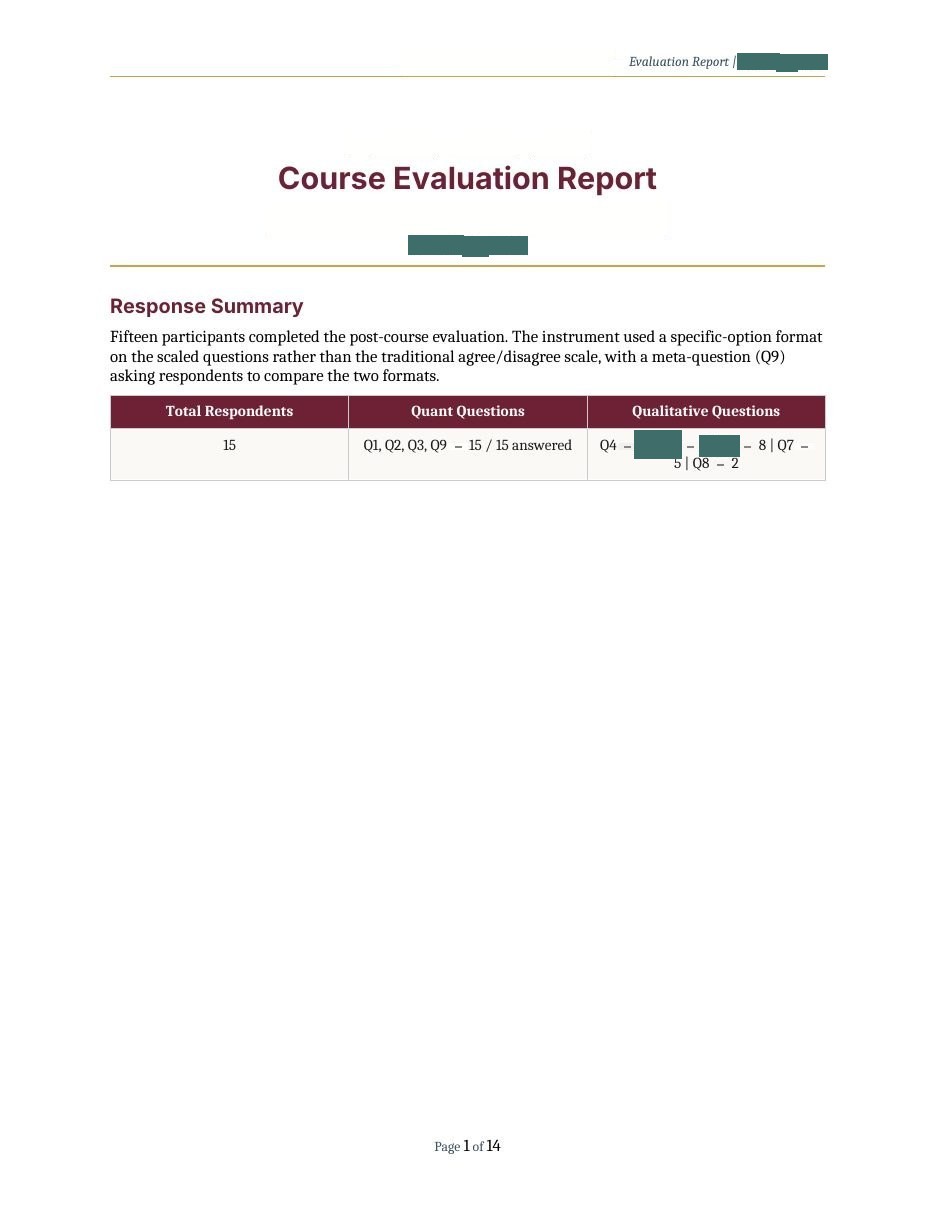
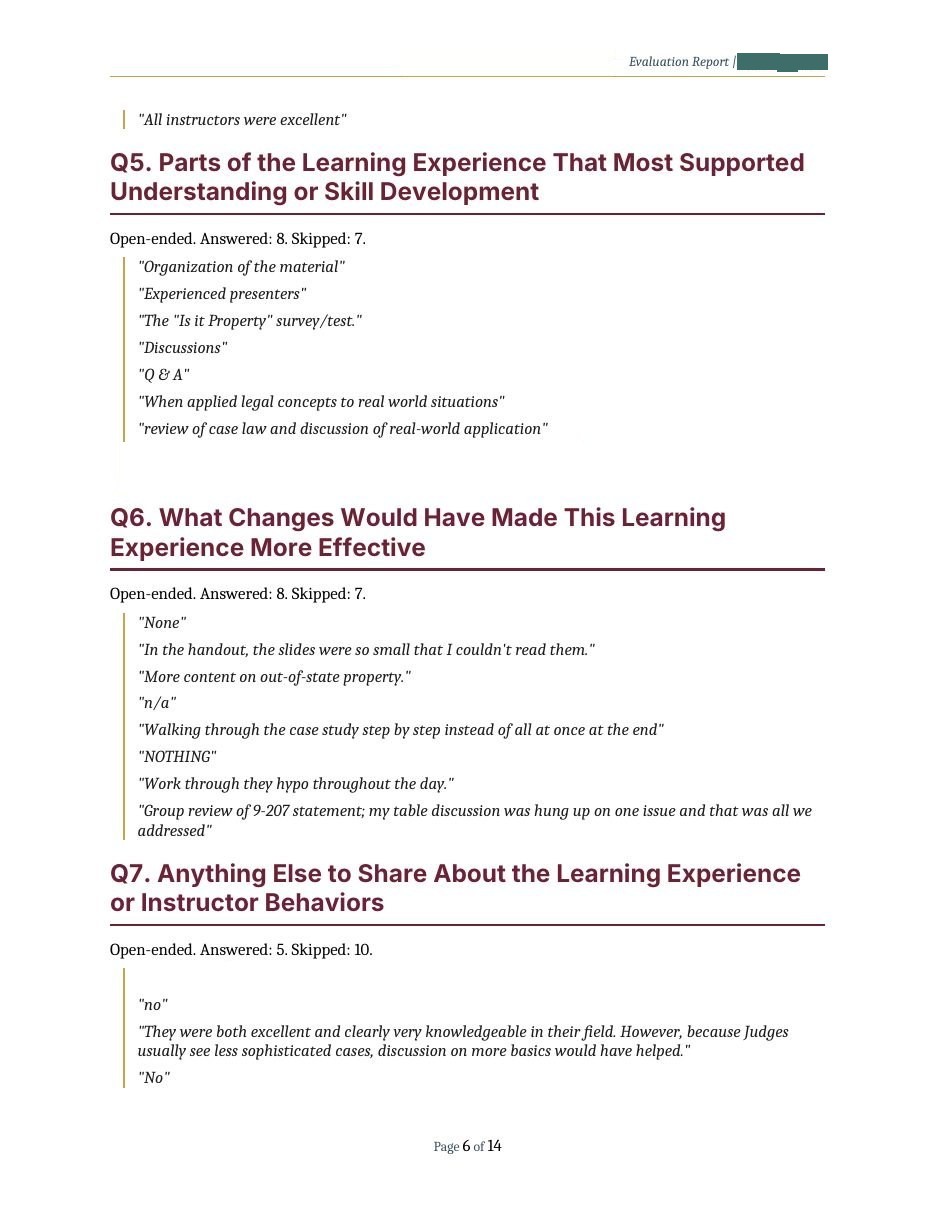
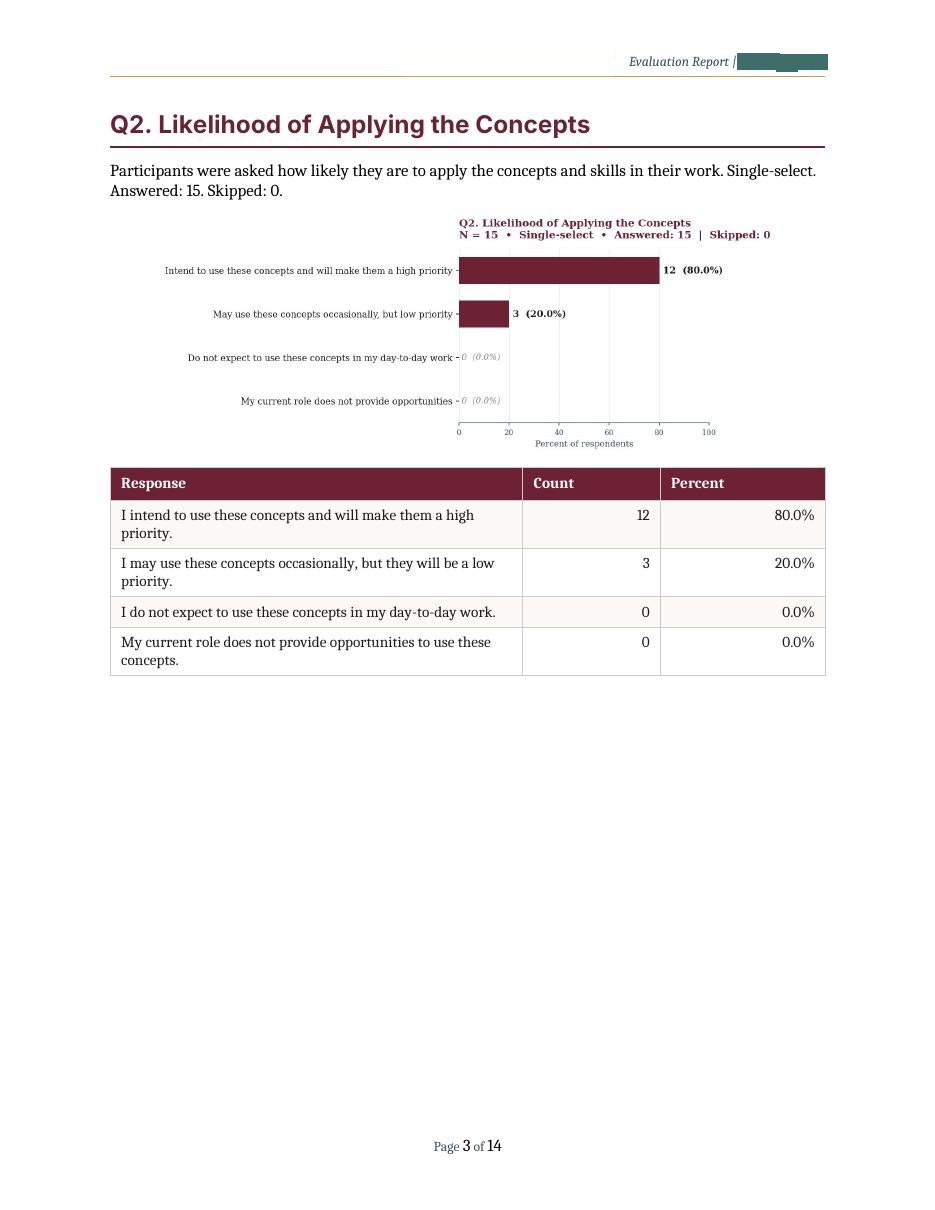
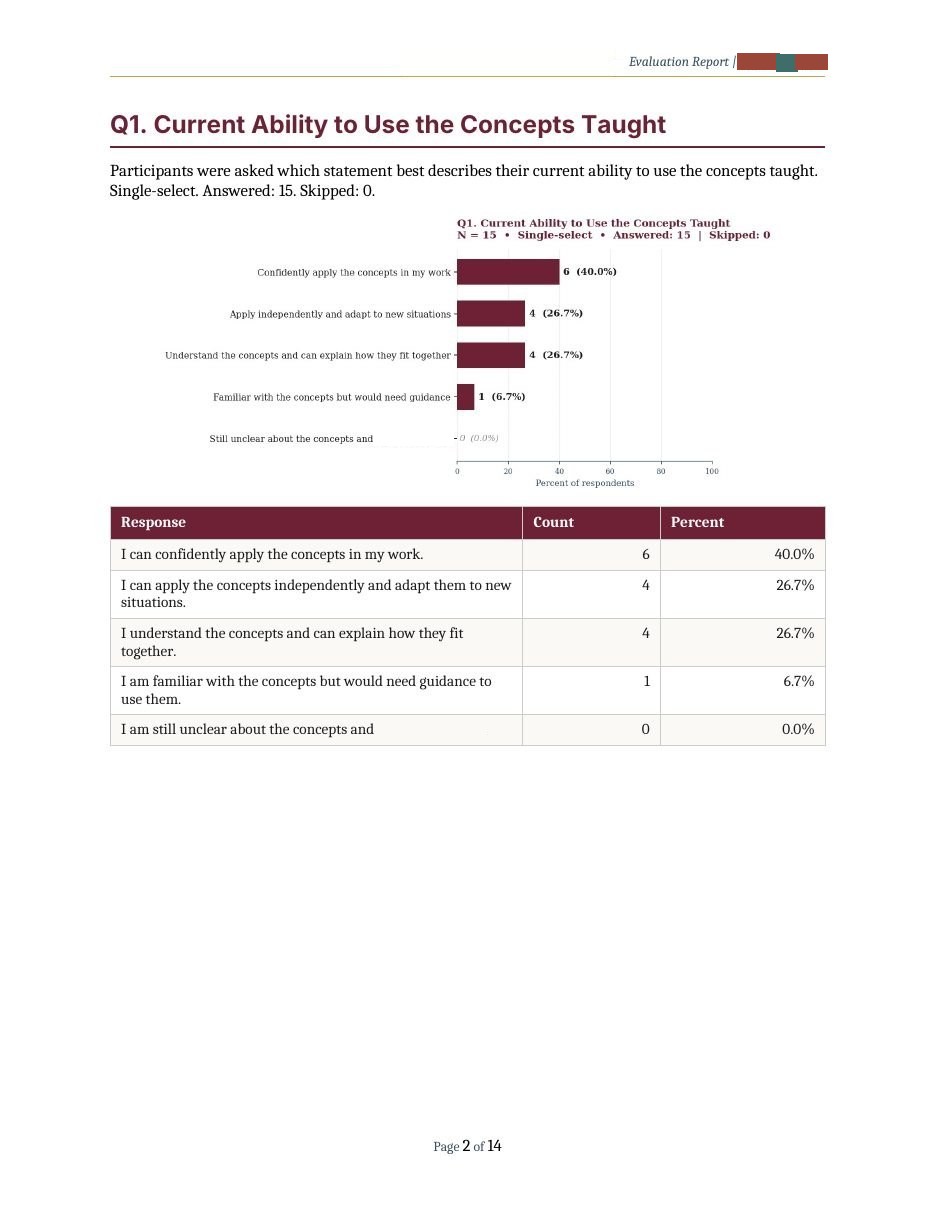
Fifteen participants answered the post-course evaluation, a self-report. Twelve of the fifteen said they intend to use the concepts and make them a high priority. Six respondents said they could confidently apply the concepts, four could apply them independently and adapt them, four could explain how they fit together, one would need guidance, and none were unclear. One named the quiz as the part that most helped. Two asked for more step-by-step work with the case through the day.
My role
I owned learning design, case materials, participant tools and faculty preparation. The faculty, a judge and two practitioners, decided the legal content. The checklist's items are the coordinating judge's.
The afternoon
Is it property?
The round was going to be ten minutes of yes or no. Close to the day I realized the attorneys were having me make slides on the statutes, the opinions and the doctrines, and they were all piled on top of each other in one boring chunk. I thought: loop it into the game.
It became a quick silent quiz. Everyone sits at their seat and answers all ten. Then you trade your sheet with a neighbor (don’t forget your red pen) and grade their quiz. After each answer came the doctrinal slide I’d made for it. The teaching went along with going over the answers, and the room was full of eager energy, because everybody wanted to see who got ten out of ten.
On the course evaluation, eight people answered the question about which parts most supported their understanding. One of them wrote: “The ‘Is it Property’ survey/test.”
Ten items. Choose one to turn it to its answer. The law and the citations are the faculty’s.
- 01A pet (the family dog)
- 02Frozen embryos
- 03A professional degree or license
- 04A country club membership
- 05A personal injury claim
- 06Settlement proceeds received during marriage
- 07A 529 college savings account
- 08Unvested stock options or RSUs
- 09Cryptocurrency or virtual currency
- 10Airline miles or credit card points
The same round as the faculty review draft. Some answers changed after it.
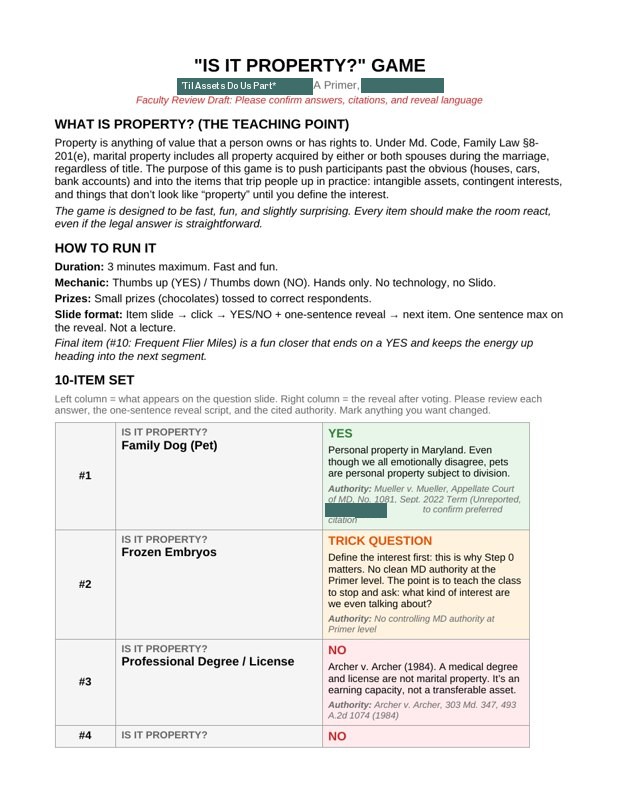 Faculty review draft, 3 pages
The rest of the record
The evaluation report
Comments that name or describe an individual are left out, so a few headers count more answers than show.